Table of Content
- How LTV Affects Your Ability to Get a Home Loan
- Receiving a poor appraisal
- How Lenders Determine Your Credit Score
- How Loan-to-Value Ratio (LTV) Impacts Refinancing
- How Much House Can I Afford? How To Assess Your Finances And Calculate What To Spend
- Bad Credit For Car Loans
- Four high-LTV mortgage refinances
Primary lenders tend to be more generous with CLTV requirements since it is a more thorough measure. As a rule of thumb, a good loan-to-value ratio should be no greater than 80%. Anything above 80% is considered to be a high LTV, which means that borrowers may face higher borrowing costs, require private mortgage insurance, or be denied a loan.
For lenders, the loan-to-value ratio is one factor that might play into the risk that the mortgage represents. A higher LTV means the lender may have to put more money on the line. It could also mean a higher chance of loss if you fall behind on mortgage payments. Loans that are backed by the FHA will allow you to refinance in many situations beyond what conventional lenders will allow. FHA has a program that will allow you to do a streamline FHA refinance if you already have a loan from FHA. This type of refinance is only for getting a better rate on your home loan.
How LTV Affects Your Ability to Get a Home Loan
The program is currently in pilot phase, and available in 19 states. As compared to an FHA loan, conventional loans to 97% LTV are advised for homeowners with high credit scores. Still, you may find that most lenders you talk to want you to have at least 20% equity to do a refinance.
However, it can play a substantial role in the interest rate that a borrower is able to secure. Most lenders offer mortgage and home-equity applicants the lowest possible interest rate when their LTV ratio is at or below 80%. Determining an LTV ratio is a critical component of mortgage underwriting. It may be used in the process of buying a home, refinancing a current mortgage into a new loan, or borrowing against accumulated equity within a property. The loan-to-value ratio is an assessment of lending risk that financial institutions and other lenders examine before approving a mortgage.
Receiving a poor appraisal
Alternatively, you can also pre-pay PMI to avoid the monthly charge. Your LTV ratio also impacts whether you’ll be required to carry mortgage insurance on your loan. Typically, borrowers with an LTV of more than 80% are required to pay for mortgage insurance, which is an insurance policy that protects the lender if you default on your loan. An LTV of more than 80% means you’re making a down payment of less than 20%, which is high risk in the lender’s eyes and triggers the need to insure their investment.
In the event of a foreclosure, that can make it hard for the lender to sell the property for enough to cover the outstanding balance and turn a profit. To calculate your property’s LTV, take the amount you’re looking to borrow, divide it by the appraised value and express the result as a percentage. Combined loan-to-value ratio is the ratio of all loans on a property to the property's value. Loan-to-value is calculated simply by taking the loan amount and dividing it by the value of the asset or collateral being borrowed against. In the case of a mortgage, this would be the mortgage amount divided by the property's value. Therefore, the CLTV is a more inclusive measure of a borrower's ability to repay a home loan.
How Lenders Determine Your Credit Score
Once you know your LTV, you can figure out which mortgages you’re likely to qualify for — and which lender offers the best rates for your situation. Over the years, there have been a number of mortgage relief refinance programs designed to help homeowners who are underwater on their loans. Both groups offer 97% LTV purchase mortgages, which means you will need to make a downpayment of 3% to qualify. If you’re buying a home, you achieve an 80% LTV by making a 20% down payment.
We believe everyone should be able to make financial decisions with confidence. Another way to impact your loan-to-value ratio is by protecting the value of your home by keeping it neat and well maintained. Check your buying power by getting pre-qualified for a mortgage with us at Zillow Home Loans.
If you’re current or former military personnel, or live in a rural area, you may be eligible for a loan from the U.S. You may qualify even with an LTV ratio of 100%, and there’s no PMI requirement. The good news is that lenders may make exceptions for borrowers with high LTV ratios if they have low debt, a high income or an extensive investment portfolio.

But the math to determine your LTV changes based on the type of loan. Yout LTV ratio is important as a home buyer because it’s one of the main criteria mortgage lenders use to determine your eligibility for a loan. It’s important to understand how your bank will assess your home equity loan application so you can get the most competitive interest rates and most favorable loan options. One of the ways your application is assessed is via your LTV, which stands for loan-to-value ratio. A home equity loan sometimes called a second mortgage, allows you to tap into the equity of your home.
In the latter case, this means having to take into account additional mortgages or loans on a property, like home equity loans and home equity lines of credit . Your mortgage lender will use both LTV and CLTV ratios when deciding if you’re eligible to receive a loan. Your loan-to-value ratio is a figure that measures the appraised value of a home that you want to buy or refinance against the loan amount that you’re seeking to borrow. It’s commonly used in real estate transactions by lenders to determine your eligibility for a loan.
An LTV of 57% is great, and while a CLTV of 77% is still good, it may have different risk implications for your lender. Having an LTV ratio low enough to receive refinancing approval is the first step. But there are other things to consider when calculating your ratio. Let's say an appraiser looks at your home and tells you the current value is $300,000. You've already paid down part of your mortgage, but you still owe $250,000.
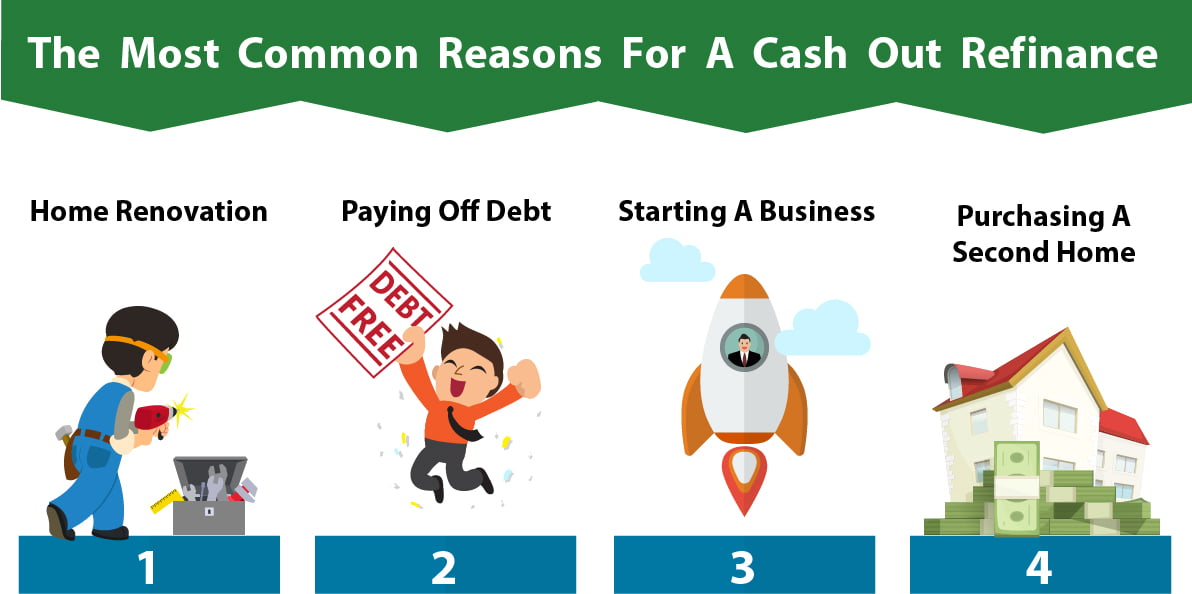
Whether they want to pay off debt or do home renovations, a refinance into a lower rate and taking out cash can be a good way to do many things that cost a lot of money. FHA loans do require a mortgage insurance premium for the life of the loan. To eliminate this, consider refinancing your FHA loan once your LTV ratio reaches 80%. Most lenders use 80% as the threshold for a good loan-to-value ratio. Note that borrowing costs can become higher, or borrowers may be denied loans, as the LTV rises above 80%. Lower LTVs are better in the eyes of lenders, but require borrowers to come up with larger down payments.


No comments:
Post a Comment